Hazmat Trucking Insurance & Fuel Hauler Insurance
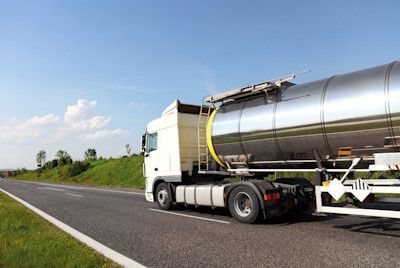
Specialized Hazardous Materials Trucking Insurance in Colorado, Texas, Wyoming & Utah
Protect Your Trucking Business with the Right Hazmat Insurance Coverage
Transporting hazardous materials comes with risks that standard commercial trucking insurance policies may not adequately cover. Whether your company transports gasoline, diesel, propane, industrial chemicals, crude oil, or other regulated hazardous materials, having the correct insurance coverage is essential to protecting your business and meeting federal transportation requirements.
At NOCO Insurance Advisors, we specialize in commercial trucking insurance and help hazardous materials carriers obtain coverage tailored to their operations.
As an independent insurance agency, we work with multiple insurance markets to help owner-operators, established motor carriers, and trucking fleets find competitive insurance options.
Our goal is simple: Help you secure the coverage required to operate legally while protecting your trucking business from costly accidents, environmental claims, and liability exposures.
Call 970-593-0619 to discuss your hazmat trucking insurance needs.
What Is Hazmat Trucking Insurance?
Hazmat trucking insurance is specialized commercial transportation insurance designed for companies hauling hazardous materials.
These operations can present significantly greater liability exposures than traditional freight transportation because an accident may involve hazardous spills, environmental contamination, fires, explosions, or injuries.
A properly structured hazmat trucking insurance program can include:
- Commercial Auto Liability
- Motor Truck Cargo Insurance
- Transportation Pollution Liability
- Commercial General Liability
- Physical Damage Insurance
- Trailer Interchange Coverage
- Excess or Umbrella Liability
- Loading and Unloading Coverage
- Environmental Cleanup Coverage
Not every policy automatically includes these protections. Coverage must be selected and reviewed based on the materials transported, applicable exclusions, and the carrier's specific operations.
What Types of Hazmat Trucking Companies Do We Insure?
NOCO Insurance Advisors helps trucking businesses find insurance for a variety of hazardous material transportation operations, subject to carrier eligibility and underwriting approval.
Fuel & Petroleum Haulers
- Gasoline transportation
- Diesel fuel transportation
- Crude oil hauling
- Fuel delivery trucks
- Petroleum tankers
- Heating oil transportation
- Bulk petroleum transportation
Propane & Gas Transportation
- Propane delivery trucks
- LPG transportation
- Compressed gas transportation
- Industrial gas haulers
- Certain cryogenic liquid transportation operations
Chemical & Industrial Hazmat Haulers
- Industrial chemicals
- Corrosive materials
- Flammable liquids
- Hazardous waste transportation
- Certain toxic substances
- Other regulated hazardous commodities
Insurance availability depends on the exact commodity, DOT hazard classification, equipment, transportation radius, and the company's operating history.
How Much Liability Insurance Is Required for Hazmat Trucking?
The Federal Motor Carrier Safety Administration (FMCSA) establishes minimum financial responsibility requirements for interstate motor carriers transporting certain hazardous materials.
Depending on the commodity and operation, federal minimum liability requirements generally fall into two categories:
$1,000,000 Commercial Auto Liability
A $1 million minimum generally applies to certain hazardous materials transportation operations, including qualifying oil transportation and other specified hazardous commodities.
Examples may include:
- Gasoline and diesel fuel haulers
- Certain petroleum transportation operations
- Certain hazardous waste haulers
- Other qualifying hazardous material shipments
The actual requirement depends on the material's classification, quantity, packaging, and applicable federal regulations.
Federal Minimum: $1,000,000
Some shippers, terminals, and contractual agreements may require higher limits.
$5,000,000 Commercial Auto Liability
Certain higher-risk hazardous material transportation operations require at least $5 million in financial responsibility under federal regulations.
Examples include qualifying transportation of:
- Certain explosives
- Poison gases
- Highway route-controlled quantities of radioactive materials
- Certain hazardous materials transported in specified quantities or packaging
- Other hazardous commodities identified under federal financial responsibility regulations
Federal Minimum: $5,000,000
A $5 million requirement is not determined simply by whether a shipment carries a hazmat placard. The exact federal classification and transportation circumstances must be reviewed.
Hazmat Trucking Insurance Requirements by Operation
Transportation Operation
- General interstate freight, 10,001+ lb GVWR with a Potential Federal Minimum of $750,000
- Qualifying oil and petroleum transportation with a Potential Federal Minimum of $1,000,000
- Certain other hazardous materials with a Potential Federal Minimum of $1,000,000
- Specified higher-risk hazardous materials with a Potential Federal Minimum of $5,000,000
- Qualifying explosives, poison gas, and radioactive materials with a Potential Federal Minimum of $5,000,000
These figures summarize common federal financial responsibility categories. Specific requirements are governed by 49 CFR Part 387. State regulations, contracts, and other federal provisions may impose additional requirements.
Essential Insurance Coverages for Hazmat Carriers
1. Commercial Auto Liability Insurance
Typical Required Limits: $1,000,000 or $5,000,000
Commercial Auto Liability is the foundation of a hazmat trucking insurance policy.
This coverage helps protect your business against covered bodily injury and property damage claims resulting from accidents involving insured commercial vehicles.
For hazardous material carriers, an accident may involve multiple vehicles, significant injuries, damaged property, or environmental contamination.
We help carriers determine the appropriate liability limits based on their operations and federal insurance requirements.
2. Transportation Pollution Liability
Recommended: Limits appropriate to the commodity and potential cleanup exposure
Transportation Pollution Liability is one of the most important coverages for hazardous materials trucking companies.
A tanker accident or chemical spill can create substantial environmental cleanup expenses, even when the vehicle itself suffers relatively minor damage.
Depending on policy terms, pollution coverage may address:
- Fuel and chemical spills
- Environmental cleanup expenses
- Soil and water contamination
- Third-party bodily injury
- Third-party property damage
- Certain pollution incidents during loading and unloading
- Emergency spill response expenses
Important: Standard commercial auto liability and general liability policies may contain pollution exclusions or restrictions. An MCS-90 endorsement does not replace comprehensive pollution insurance.
NOCO Insurance Advisors can help review pollution coverage terms and identify potential gaps.
3. Motor Truck Cargo Insurance
Common Coverage Limits: $100,000–$250,000+
Motor Truck Cargo Insurance helps protect the commodities your trucking company transports against covered loss or damage.
For fuel and chemical haulers, cargo values can vary significantly depending on the product and quantity being transported.
Coverage considerations include:
- Cargo damaged in an accident
- Fire or explosion-related cargo losses
- Theft of covered commodities
- Certain loading and unloading exposures
- Cargo contamination
- Cleanup or debris removal sublimits
Hazardous materials, pollution-related losses, and certain commodities may be excluded or subject to special terms.
Although federal cargo insurance filings generally are not required for ordinary property carriers, shippers and transportation contracts may require cargo insurance.
4. Commercial General Liability Insurance
Common Limits: $1,000,000 Per Occurrence / $2,000,000 Aggregate
General Liability Insurance provides protection for certain business-related exposures outside the operation of insured commercial vehicles.
Potential exposures include:
- Third-party injuries at business premises
- Certain property damage claims
- Covered business operations
- Certain personal and advertising injury claims
General Liability does not replace Commercial Auto Liability or Transportation Pollution Liability.
For hazmat businesses, it is particularly important to review pollution exclusions and the scope of loading and unloading coverage.
5. Physical Damage Insurance
Coverage Based on the Value of Your Trucks and Equipment
Physical Damage Insurance helps protect your investment in commercial trucks and trailers.
Coverage commonly includes:
- Collision
- Comprehensive losses
- Theft
- Fire
- Vandalism
- Weather-related damage
We can help insure eligible semi-trucks, tanker trucks, and specialized transportation equipment based on their insured values and applicable policy terms.
Physical damage coverage is generally optional under federal trucking regulations but may be required by lenders or leasing companies.
6. Trailer Interchange & Non-Owned Trailer Coverage
Common Limits: $50,000–$150,000+
Hazmat carriers frequently operate specialized trailers, including petroleum tankers and chemical tank trailers.
Trailer Interchange or Non-Owned Trailer Physical Damage coverage can help protect against covered physical damage to trailers the carrier does not own.
The appropriate coverage depends on trailer ownership, lease agreements, interchange arrangements, and contractual responsibilities.
7. Excess & Umbrella Liability Insurance
Common Additional Limits: $1,000,000–$5,000,000+
Hazardous material transportation can create catastrophic liability exposures.
An excess or umbrella policy may provide additional limits above scheduled underlying insurance policies.
Higher liability limits may be required by:
- Petroleum terminals
- Oil and gas companies
- Industrial facilities
- Large transportation brokers
- Chemical manufacturers
- Commercial shippers
We help evaluate available excess liability options and whether they meet contractual requirements.
Specialized Coverages for Fuel Haulers
Fuel delivery companies and petroleum transportation businesses may need additional protection beyond a standard trucking insurance program.
Erroneous Delivery Coverage
Delivering the wrong type of fuel into a customer's storage tank can cause contamination, equipment damage, and significant financial losses.
Erroneous Delivery coverage may help address certain losses resulting from an incorrect fuel or petroleum product delivery.
Fuel Contamination Coverage
Fuel contamination can occur when products are mixed, delivered into the wrong tank, or otherwise compromised.
Specialized coverage may help protect against certain contamination-related losses, subject to policy terms and exclusions.
Loading & Unloading Pollution Coverage
Hazardous material releases can occur while transferring fuel or chemicals between tankers, storage tanks, and customer facilities.
Coverage should be reviewed carefully to determine whether spills during loading and unloading are included and whether special limitations apply.
How Much Does Hazmat Trucking Insurance Cost?
Hazmat trucking insurance premiums vary considerably based on the type of material being transported and the trucking company's overall risk profile.
Insurance companies evaluate several factors, including:
- Hazardous materials classifications
- Required liability limits
- Number and value of trucks
- Driver experience and driving records
- DOT safety ratings and inspection history
- Prior insurance claims
- Operating radius and states traveled
- Type of tanker or transportation equipment
- Years in business
- Pollution and cargo coverage requirements
A fuel hauler transporting diesel locally may have a significantly different insurance premium than a chemical transportation fleet hauling higher-risk commodities across multiple states.
Because hazardous material trucking risks vary widely, the most accurate way to determine pricing is through a detailed insurance quote.
FMCSA Insurance Filings for Hazmat Carriers
Hazmat trucking companies operating under federal motor carrier authority may be required to maintain insurance filings with the FMCSA.
Common filings and endorsements include:
BMC-91 or BMC-91X: Insurance filings submitted by an authorized insurance provider to demonstrate required financial responsibility.
MCS-90 Endorsement: A federally prescribed endorsement that provides a financial responsibility backstop for qualifying public liability claims, subject to its terms. It is not a substitute for properly structured insurance coverage.
NOCO Insurance Advisors can help coordinate applicable federal insurance filings with the issuing insurance company.
Why Choose NOCO Insurance Advisors for Hazmat Trucking Insurance?
Finding insurance for hazardous material transportation can be challenging. Not every commercial trucking insurance company is willing to insure fuel tankers, chemical haulers, or specialized hazardous commodities.
NOCO Insurance Advisors is an independent insurance agency with a focus on commercial transportation risks.
We help trucking companies:
- Compare insurance options from available markets
- Determine applicable liability insurance requirements
- Obtain $1 million or $5 million liability limits where available
- Evaluate pollution and environmental exposures
- Review cargo and specialized tanker coverages
- Coordinate required federal insurance filings
- Review insurance requirements from shippers and contracts
- Identify potential coverage gaps before binding insurance
Whether you're an owner-operator with one tanker or an established fleet operating across multiple states, we can help evaluate your insurance needs.
Frequently Asked Questions About Hazmat Insurance
Do all hazmat trucking companies need $5 million in liability insurance?
No. Certain hazardous materials operations require $1 million, while specified higher-risk transportation operations require $5 million under federal regulations. Requirements depend on the material, quantity, packaging, and transportation circumstances.
Does hauling gasoline or diesel require $5 million in insurance?
Not necessarily. Many qualifying petroleum transportation operations fall under the $1 million federal minimum. However, the exact commodity and transportation circumstances must be verified, and customers may require higher limits.
Is pollution liability included in commercial trucking insurance?
Not automatically. Some commercial auto policies provide limited pollution protection, while others have significant exclusions. Separate Transportation Pollution Liability coverage or specialized endorsements may be necessary.
Is hazmat cargo insurance required?
Motor Truck Cargo Insurance is not generally required by FMCSA for ordinary property carriers. However, brokers, shippers, and customer contracts frequently require cargo coverage.
Can a new trucking company obtain hazmat insurance?
Potentially. Insurance availability depends on the commodity, driver experience, equipment, operating territory, and insurance company underwriting requirements. New ventures may have fewer available insurance options.
Can you insure a single fuel tanker truck?
Yes, subject to underwriting eligibility. We can help explore coverage for individual owner-operators and companies operating multiple trucks.
What is the difference between hazmat insurance and standard trucking insurance?
Hazmat insurance addresses additional risks associated with transporting regulated hazardous materials. These can include higher required liability limits, pollution exposures, environmental cleanup costs, and specialized cargo risks.
Does an MCS-90 endorsement cover all fuel spills?
No. An MCS-90 endorsement is a financial responsibility endorsement with specific conditions. It is not equivalent to comprehensive first-party or third-party pollution insurance.
Get a Hazmat Trucking Insurance Quote
Protect Your Fleet. Meet Federal Requirements. Keep Your Business Moving.
Whether you transport gasoline, diesel, propane, chemicals, crude oil, or other regulated hazardous materials, NOCO Insurance Advisors can help you evaluate insurance coverage for your operation.
We work with owner-operators, motor carriers, and trucking fleets seeking specialized commercial transportation insurance.